
Your doctor has written “CT abdomen” or “MRI knee” on a request form, and you are left wondering why that scan and not another. It is a fair question. Each type of scan sees the body in a different way, and the right choice depends on what your doctor needs to find out. Here is a simple guide to the four main imaging tests we offer at Primescan Radiology in Nairobi.
X-ray: quick and ideal for bones
An X-ray passes a very small, controlled dose of radiation through the body to create a picture. Dense tissue such as bone appears white, while air and soft tissue appear in shades of grey.
Best for: broken bones, chest infections such as pneumonia, joint problems, spine alignment, and swallowed objects.
Good to know: it takes only a few minutes, needs little or no preparation and is usually the first test your doctor orders.
Ultrasound: safe and live, with no radiation
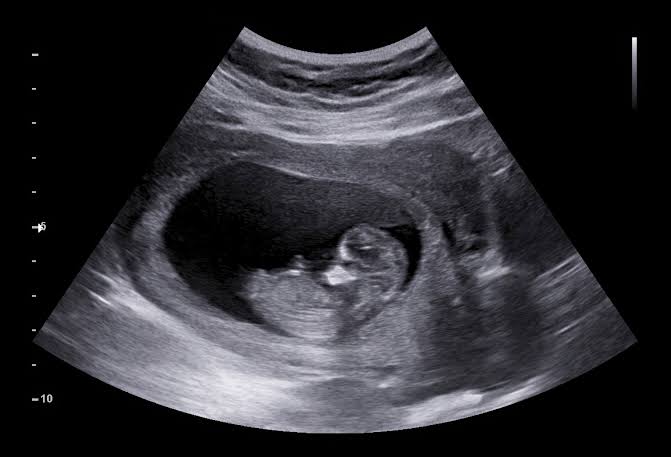
Ultrasound uses sound waves and a small handheld probe to show organs and blood flow on a screen as they move. Because it uses no radiation, it is safe for pregnant women, babies and children.
Best for: pregnancy scans, the liver, gallbladder, kidneys, uterus and ovaries, the thyroid, breast and testicular lumps, and blood clots in the legs.
Good to know: you may need to fast or arrive with a full bladder, depending on the area examined.
CT scan: detailed pictures in minutes
A CT (computed tomography) scan takes many X-ray images from different angles as you pass through a ring-shaped scanner, and a computer builds them into detailed cross-section slices. It shows bone, organs and blood vessels at once.
Best for: head injuries and stroke, chest and lung conditions, abdominal pain, kidney stones, cancer staging and follow-up, and trauma.
Good to know: it is very fast, so it is often used in emergencies. Some scans use a contrast dye to make blood vessels and organs clearer.
MRI: the finest detail of soft tissue
MRI (magnetic resonance imaging) uses a strong magnet and radio waves, not radiation. It gives exceptional detail of soft tissue such as the brain, spinal cord, ligaments, muscles and discs.
Best for: persistent headaches and nerve problems, back and neck pain, knee and shoulder injuries, and pelvic conditions.
Good to know: it takes longer, is noisy, and cannot be done if you have certain metal implants, so always tell us about any implants before your appointment.
Quick comparison
| Scan | Uses radiation? | Typical time | Best for |
|---|---|---|---|
| X-ray | Yes (very low dose) | 10–20 min | Bones, chest, joints |
| Ultrasound | No | 20–45 min | Pregnancy, abdomen, pelvis, soft tissue |
| CT scan | Yes | 10–30 min | Emergencies, chest, abdomen, trauma |
| MRI | No | 20–45 min or more | Brain, spine, joints, soft tissue |
So, which one is right for me?
The right scan is the one your doctor chooses for your symptoms. Sometimes one test is enough. Sometimes a second scan adds the missing detail, for example an ultrasound followed by an MRI. You should never need to choose alone, and you should not skip a scan because you are unsure about it. If you have a question about your request form, our team will gladly explain it before your appointment.
Book your scan at Primescan Radiology
Primescan Radiology offers X-ray, ultrasound, CT and MRI in Nairobi, with reports from qualified radiologists shared with you and your doctor. Contact our team through this website to book your appointment. Please bring your doctor’s request form and any earlier scans.