
04Jul

X-ray, Ultrasound, CT or MRI – Which Scan Do You Need?

Your doctor has written “CT abdomen” or “MRI knee” on a request form, and you are left wondering why that scan and not another. It is a fair question. Each type of scan sees the body in a different way, and the right choice depends on what your doctor needs to find out. Here is a simple guide to the four main imaging tests we offer at Primescan Radiology in Nairobi.

X-ray: quick and ideal for bones

An X-ray passes a very small, controlled dose of radiation through the body to create a picture. Dense tissue such as bone appears white, while air and soft tissue appear in shades of grey.

Best for: broken bones, chest infections such as pneumonia, joint problems, spine alignment, and swallowed objects.

Good to know: it takes only a few minutes, needs little or no preparation and is usually the first test your doctor orders.

Ultrasound: safe and live, with no radiation

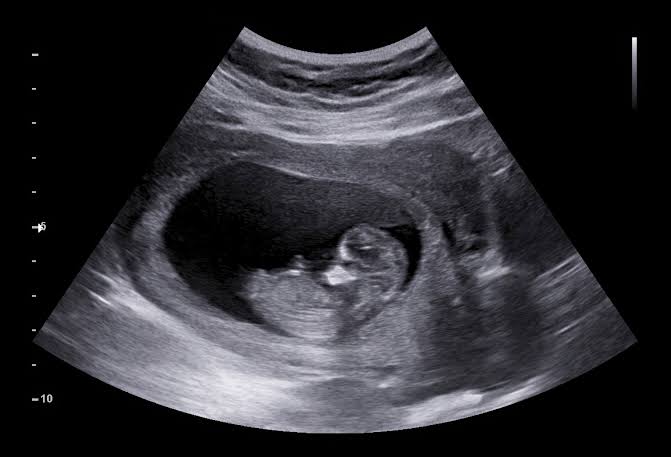
Ultrasound uses sound waves and a small handheld probe to show organs and blood flow on a screen as they move. Because it uses no radiation, it is safe for pregnant women, babies and children.

Best for: pregnancy scans, the liver, gallbladder, kidneys, uterus and ovaries, the thyroid, breast and testicular lumps, and blood clots in the legs.

Good to know: you may need to fast or arrive with a full bladder, depending on the area examined.

CT scan: detailed pictures in minutes

A CT (computed tomography) scan takes many X-ray images from different angles as you pass through a ring-shaped scanner, and a computer builds them into detailed cross-section slices. It shows bone, organs and blood vessels at once.

Best for: head injuries and stroke, chest and lung conditions, abdominal pain, kidney stones, cancer staging and follow-up, and trauma.

Good to know: it is very fast, so it is often used in emergencies. Some scans use a contrast dye to make blood vessels and organs clearer.

MRI: the finest detail of soft tissue

MRI (magnetic resonance imaging) uses a strong magnet and radio waves, not radiation. It gives exceptional detail of soft tissue such as the brain, spinal cord, ligaments, muscles and discs.

Best for: persistent headaches and nerve problems, back and neck pain, knee and shoulder injuries, and pelvic conditions.

Good to know: it takes longer, is noisy, and cannot be done if you have certain metal implants, so always tell us about any implants before your appointment.

Quick comparison

Scan Uses radiation? Typical time Best for
X-ray Yes (very low dose) 10–20 min Bones, chest, joints
Ultrasound No 20–45 min Pregnancy, abdomen, pelvis, soft tissue
CT scan Yes 10–30 min Emergencies, chest, abdomen, trauma
MRI No 20–45 min or more Brain, spine, joints, soft tissue

So, which one is right for me?

The right scan is the one your doctor chooses for your symptoms. Sometimes one test is enough. Sometimes a second scan adds the missing detail, for example an ultrasound followed by an MRI. You should never need to choose alone, and you should not skip a scan because you are unsure about it. If you have a question about your request form, our team will gladly explain it before your appointment.

Book your scan at Primescan Radiology

Primescan Radiology offers X-ray, ultrasound, CT and MRI in Nairobi, with reports from qualified radiologists shared with you and your doctor. Contact our team through this website to book your appointment. Please bring your doctor’s request form and any earlier scans.

04Jul

How to Prepare for Your Scan, Step by Step

A little preparation makes a big difference to your scan. It helps us get clear images the first time, keeps your appointment on schedule and spares you a repeat visit. Whether you are coming for an X-ray, ultrasound, CT or MRI, this guide covers what to do before you arrive at Primescan Radiology.

Step 1: Confirm your preparation when you book

Instructions differ for each scan and each body area, so always ask when you book your appointment. Our team will tell you if you need to fast, drink water or stop certain medicines. If you were given written instructions with your request form, bring them along.

Step 2: Follow the preparation for your scan type

X-ray: usually no preparation is needed. You may be asked to remove jewellery or clothing with metal over the area being imaged.

Ultrasound: the instructions depend on the area.

  • Upper abdomen (liver, gallbladder, pancreas): fast for 6–8 hours. Small sips of water are fine.
  • Pelvis, bladder, early pregnancy or prostate: drink about a litre of water an hour before and do not empty your bladder.
  • Thyroid, breast, scrotum, joints and blood vessels: no preparation.

CT scan: if contrast dye will be used, you may need to fast for 4–6 hours and drink plenty of water beforehand. A scan without contrast, such as the head, usually needs no fasting. Bring recent kidney test results if you have them.

MRI: you can usually eat and drink normally. Abdominal and pelvic scans may need a few hours of fasting. Everyone must go through a safety check for metal.

Step 3: Tell us about your medical history

Let the team know before your scan if you:

  • are or might be pregnant
  • have allergies, especially to contrast dye, iodine or latex
  • have kidney disease, diabetes or take metformin
  • have a pacemaker, joint replacement, surgical clip, cochlear implant or any metal in the body
  • feel anxious in small or enclosed spaces
  • have had a similar scan before

Step 4: Take your medicines as usual

Unless you are told otherwise, take your regular medicines with a little water. Do not stop any medicine without speaking to your doctor first. Diabetic patients who need to fast should ask us or their doctor how to manage their medicines.

Step 5: Dress for comfort

Wear loose, comfortable clothing without zips, metal buttons or underwire. Leave jewellery, watches, hairpins and valuables at home. You may be given a gown to change into.

Step 6: Pack what you need

  • Your doctor’s request or referral form
  • National ID or passport
  • Insurance or medical card, if you have one
  • Previous scans, films and reports for the same area
  • A list of your current medicines

Step 7: Arrive a little early

Arrive about 15–30 minutes before your appointment so we can register you, run the safety checks and explain the scan. If you are having a scan that needs a full bladder, plan your drinking time so you arrive comfortable.

During your scan

A radiographer or sonographer will guide you at every step. The most important thing you can do is to stay still and follow the breathing instructions. If you feel worried, tell the team. They are there to help, and you can ask questions at any time.

After your scan

You can usually go home straight away and return to normal activities. If you had contrast, drink plenty of water and tell us if you notice a rash, itching or swelling. Your report will be shared with you and your doctor promptly.

Book your appointment

Not sure how to prepare? Contact Primescan Radiology through this website and our team will give you clear instructions for your exact scan.

04Jul

Are Medical Scans Safe? Radiation, Contrast and Pregnancy Explained

It is natural to feel uneasy before a scan. Many patients ask us the same questions: Is the radiation harmful? Is contrast dye safe? Can I be scanned if I am pregnant? Here are clear, honest answers, so you can come to your appointment with confidence.

First, which scans use radiation?

Not all of them do.

  • Ultrasound and MRI use no ionising radiation at all. Ultrasound uses sound waves, and MRI uses magnets and radio waves.
  • X-ray and CT use ionising radiation. X-ray uses a very small dose, and CT uses a higher dose because it takes many images.

How much radiation is involved?

We are all exposed to natural background radiation every day from the soil, air, food and the sun. As a rough guide, a chest X-ray gives about the same dose as a few days of natural background radiation. A CT scan gives more, comparable to a number of months or a few years of background exposure, depending on the body area scanned.

The dose from a single scan is small, and the risk it carries is very low. The benefit of finding a problem early, such as a fracture, an infection, a stone or a cancer, is almost always far greater than that small risk.

How do we keep your dose as low as possible?

Radiology teams follow a safety principle known as ALARA, meaning “as low as reasonably achievable.” In practice, this means:

  • Scans are only done when your doctor and radiologist agree they are medically justified.
  • The lowest dose that gives a clear, useful image is used.
  • Radiographers focus the beam on the area being examined.
  • Lead shielding is used where appropriate.
  • Where a radiation-free test such as ultrasound or MRI can answer the question, it is considered first.
  • Children receive adjusted, lower doses.

Is contrast dye safe?

Contrast is a special liquid that helps certain organs and blood vessels stand out on CT or MRI. It is given by injection into a vein, or sometimes as a drink.

For most people it is safe. You may feel a warm sensation, a metallic taste or mild nausea for a moment. Allergic reactions are uncommon, and they are usually mild, such as itching or a rash. Serious reactions are rare, and our team is trained to manage them.

Tell us before your scan if you have:

  • a previous reaction to contrast dye
  • asthma or other allergies
  • kidney disease
  • diabetes, especially if you take metformin
  • thyroid problems

We may check your kidney function first, adjust your preparation or choose a different scan.

Can I have a scan if I am pregnant?

Yes, in many cases, but it depends on the scan and your stage of pregnancy.

  • Ultrasound is safe throughout pregnancy and is the standard way to check on your baby.
  • MRI is used when it is needed, and contrast is avoided unless it is essential.
  • X-ray and CT are usually avoided, particularly of the abdomen and pelvis. If one is truly necessary, for example after a serious accident, the dose is kept as low as possible and your doctor will discuss the benefits and risks with you.

The most important step is to tell us before your scan if you are or might be pregnant. Never hide a possible pregnancy, as we will always find a safe option.

Are MRI scans safe?

MRI has an excellent safety record. The main risk comes from the very strong magnet, which can pull on metal objects and affect certain implants, such as some pacemakers and brain aneurysm clips. This is why every patient is carefully screened before an MRI, and why you must remove all metal and tell us about any implant. Some implants are MRI-safe, but we need to confirm this first.

What about children?

Children are more sensitive to radiation, so we scan them only when necessary, use child-sized doses and prefer ultrasound or MRI whenever they can answer the question. A parent or guardian is welcome to stay and comfort the child.

Can I have repeated scans?

Your doctor will advise you. Ultrasound can be repeated as often as needed. For X-ray and CT, repeat scans are only requested when the benefit is clear. Bring your earlier scans and reports, because they can help avoid repeating a test.

What you can do to stay safe

  1. Tell us if you are or might be pregnant.
  2. Share your medical history, allergies and medicines.
  3. Tell us about any implants or metal in your body.
  4. Bring previous scans and reports.
  5. Ask questions. We are happy to explain every step.

Safe, careful imaging at Primescan Radiology

At Primescan Radiology, your safety comes first. Our team explains each scan, screens every patient and keeps doses as low as reasonably possible. If you have concerns about an upcoming scan, contact our team through this website before your appointment.